How to Choose the Best Flooring for Your Home
Choosing the right flooring for your home is crucial not only for aesthetics but also for functionality and durability. With numerous options available, it can be overwhelming to make the right choice. This guide will help you navigate through your options and make an informed decision tailored to your needs.
Understanding Your Flooring Needs
Before diving into the types of flooring available, it's important to assess your specific needs. Consider the following factors:
- Room Functionality: Identify the purpose of the room (e.g., high-traffic areas, moisture-prone spaces).
- Budget: Determine how much you are willing to spend on flooring materials and installation.
- Maintenance: Consider how much time and effort you're willing to invest in upkeep.
- Aesthetic Preferences: Think about the style and design that best matches your home decor.
Popular Flooring Types
Here are some of the most common flooring types, each with its own advantages and disadvantages:
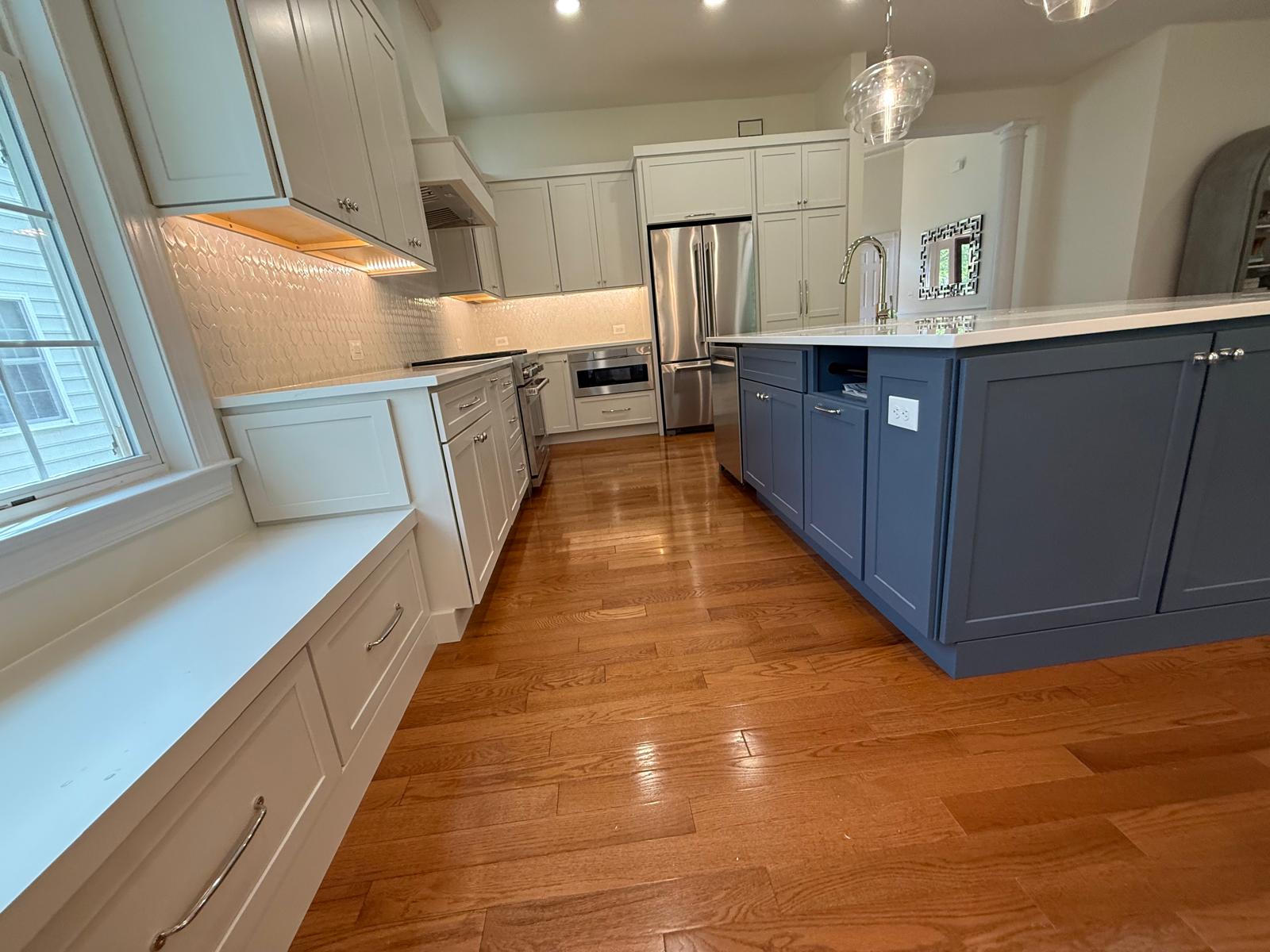
- Hardwood: Timeless and elegant, hardwood is durable but can be susceptible to scratches and water damage.
- Laminate: Budget-friendly and available in various designs, laminate mimics hardwood but is less durable.
- Tile: Ideal for high-moisture areas, tiles are versatile and easy to clean but can be cold and hard underfoot.
- Vinyl: Affordable and water-resistant, vinyl flooring is a great choice for kitchens and bathrooms.
- Carpet: Soft and cozy, carpet provides warmth and comfort but may require more maintenance.
Consider the Climate
Climate plays a significant role in the longevity and performance of your flooring. For example:
- In humid climates, opt for moisture-resistant options like tile or vinyl.
- In colder regions, consider carpets or hardwood with proper insulation to retain warmth.
- Warmer climates may benefit from tile or laminate, which can stay cool underfoot.
Durability and Maintenance
Understanding the durability of different flooring materials is essential, especially if you have kids or pets. Here’s a quick overview:
- Hardwood: Can last for decades with proper care but can be scratched easily.
- Laminate: More resistant to scratches but may not withstand heavy impacts.
- Tile: Extremely durable and resistant to moisture; however, grout can stain.
- Vinyl: Lasts well under normal use but can be damaged by sharp objects.
- Carpet: Requires regular cleaning and may wear out faster in high-traffic areas.
Maintenance Tips
To ensure your flooring lasts as long as possible, follow these maintenance tips:
- Regularly vacuum or sweep to remove dirt and debris.
- Use appropriate cleaning solutions for specific flooring types.
- Place rugs or mats in high-traffic areas to prevent wear.
- Schedule professional cleaning for carpets and upholstery.
Installation Considerations
Proper installation is key to the performance and longevity of your flooring. Here are some points to consider:
- Hire a professional installer for complex flooring types like hardwood or tile.
- Ensure the subfloor is leveled and in good condition before installation.
- Consider the acclimation period for hardwood or laminate flooring.
- Follow manufacturer guidelines for installation to avoid warranty issues.
Conclusion
Choosing the best flooring for your home involves careful consideration of various factors, from your specific needs to the climate and maintenance requirements. By understanding the different types of flooring available and their respective benefits, you can make an informed choice that enhances both the beauty and functionality of your home. For professional flooring installation and home improvement services, consider reaching out to DV Home Improvement LLC for expert guidance.